
Hot Tub Maintenance Tips for First-Time Owners: A Complete Beginner's Guide
Owning a hot tub is a luxury, but keeping it clean, safe, and running smoothly takes a bit of know-how. This guide walks first-time owners through essential hot tub maintenance, practical steps for cleaning hot tubs, and simple habits to boost hot tub safety so you can relax with confidence all year round.
Why Hot Tub Maintenance Matters More Than You Think
When you first bring a hot tub home, it is easy to focus on the fun: warm bubbles, soothing jets, and quiet evenings under the stars. But behind every inviting soak is a routine of hot tub maintenance that protects your health, your investment, and your peace of mind. A neglected spa can quickly turn into cloudy water, unpleasant smells, skin irritation, and even expensive repairs that could have been avoided with a few simple habits.
The good news is that maintaining a hot tub does not have to be complicated. Once you understand the basics of water care, cleaning hot tubs, and everyday hot tub safety, most tasks can be done in just a few minutes a week. Think of it as routine self-care for your spa: small, consistent steps that keep everything running smoothly so you can relax without worrying about what is in the water or what might break next.
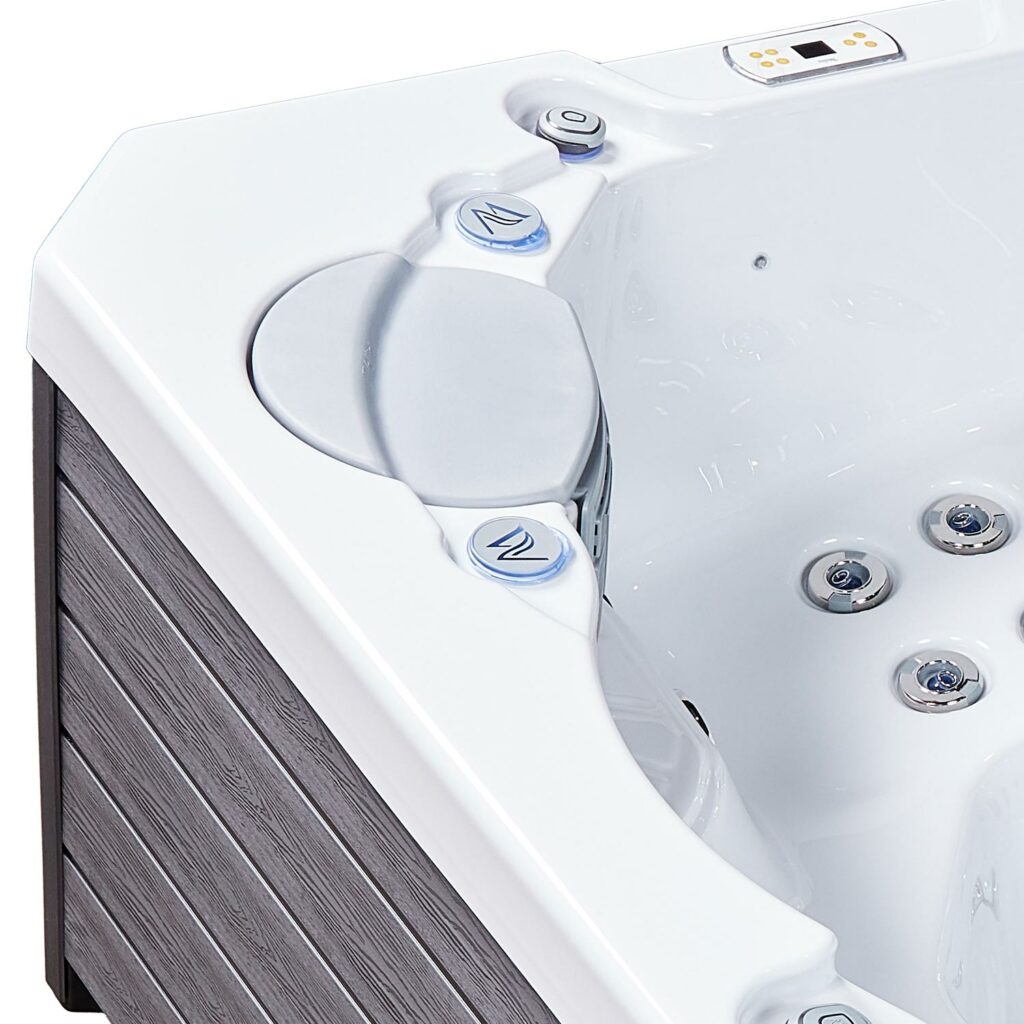
Get to Know Your Hot Tub: Key Components and What They Do
Before diving into specific hot tub maintenance tips, it helps to understand the main parts of your spa and how they work together. When you know what each component does, cleaning hot tubs and spotting early issues becomes much easier and less intimidating.
- Shell: The interior surface you sit in. It needs gentle cleaning to prevent buildup and staining, and should never be scrubbed with harsh or abrasive products that can damage the finish.
- Filter(s): Usually located in a skimmer or filter well, these trap debris such as leaves, hair, and body oils. They are central to both water clarity and hot tub safety because clean filters help your sanitizer work properly.
- Pump and Jets: The pump circulates water through the filter and jets, providing both filtration and massage. Good circulation is critical for effective hot tub maintenance because it distributes chemicals evenly and prevents stagnation.
- Heater: This keeps the water at your preferred temperature. Proper water balance and regular cleaning hot tubs tasks help protect the heater from scale buildup and corrosion, extending its life.
- Cover: One of the most important yet overlooked parts of hot tub safety. A good cover retains heat, keeps debris out, prevents accidental falls, and helps maintain water quality between uses.
💡 Pro Tip: Spend a few minutes with your owner’s manual. Label buttons, learn how to access filters, and note recommended settings. This small step makes every other hot tub maintenance task easier.
Water Chemistry Basics: The Heart of Hot Tub Maintenance
If there is one area of hot tub maintenance you should prioritize, it is water chemistry. Balanced water feels comfortable on your skin, looks clear, smells clean, and protects the internal parts of your spa. Unbalanced water, on the other hand, can cause irritation, cloudy or foamy water, scale buildup, corrosion, and even shorten the life of your equipment.
The Three Core Numbers: pH, Alkalinity, and Sanitizer
- pH: This measures how acidic or basic the water is. For hot tubs, aim for a pH between about 7.2 and 7.8. Too low and the water becomes corrosive and irritating; too high and your sanitizer becomes less effective and scale can form on surfaces and equipment.
- Total Alkalinity: This acts as a buffer for pH, helping prevent wild swings. Most manufacturers recommend keeping alkalinity in the range suggested on your test strips or kit, often around 80–120 ppm. Stable alkalinity makes the rest of your hot tub maintenance routine much easier.
- Sanitizer (Chlorine or Bromine): Sanitizer kills bacteria and other microorganisms in the water, playing a key role in hot tub safety. Keeping sanitizer within the recommended range is essential for safe soaking, especially in warm water where germs multiply more quickly.
Most first-time owners find test strips the easiest way to monitor these levels. Dip a strip, compare the colors to the chart, and adjust with pH increaser or decreaser, alkalinity products, or sanitizer as needed. Over time, this becomes a quick habit that takes less than a minute but has a big payoff in hot tub cleanliness and comfort.
Shock Treatments: Deep Cleaning for Your Water
Even with a regular sanitizer level, organic contaminants like sweat, lotions, and body oils build up in the water. That is where “shocking” comes in. A shock treatment is a larger dose of oxidizer that breaks down these contaminants, restores water clarity, and helps prevent odors and foam. As part of your ongoing hot tub maintenance plan, shocking once a week (or after heavy use) is a smart habit, especially for smaller hot tubs that see frequent soaking.
⚠️ Safety Note: Always add chemicals to water, never water to chemicals. Follow label directions carefully, keep products out of reach of children, and store them in a cool, dry place away from direct sunlight.
Cleaning Hot Tubs: A Practical Routine You Can Actually Stick To
When people hear “cleaning hot tubs,” they sometimes picture an all-day project. In reality, most cleaning tasks are quick and simple when done regularly. The key is to break them into daily, weekly, and monthly routines so nothing becomes overwhelming. This structure turns hot tub maintenance into a series of small, manageable habits instead of a dreaded chore you keep putting off.
Daily or Every-Use Tasks
- Rinse before you soak: A quick shower or at least a rinse under warm water removes lotions, deodorant, and sweat. This small step dramatically reduces the workload of cleaning hot tubs because fewer contaminants end up in the water in the first place.
- Leave the cover open for a few minutes after use: Allowing steam and chemicals to vent helps prevent excess moisture and chemical damage to the underside of your cover, extending its life and improving hot tub safety by keeping the cover in good condition.
- Check water clarity and smell: Clear water with a fresh, mild scent is a good sign. If it looks cloudy or smells strong, it may be time for a shock treatment, filter cleaning, or water balancing.
Weekly Hot Tub Maintenance Checklist
- Test and adjust water chemistry: Use test strips or a liquid kit to check pH, alkalinity, and sanitizer levels. Make small, gradual adjustments rather than large, sudden changes to avoid overshooting your target ranges.
- Rinse the filter: Remove the filter cartridge and rinse it thoroughly with a garden hose, spraying between the pleats to dislodge trapped debris. This simple task supports both cleaning hot tubs and hot tub safety by helping your filtration system run efficiently.
- Wipe the waterline: Use a soft cloth or non-abrasive sponge with a spa-safe cleaner to remove any scum line where water meets the shell. Regularly cleaning this area prevents buildup that can be harder to remove later and keeps the hot tub looking fresh.
- Shock the water: Add the recommended amount of shock product with the jets running and the cover open. This helps oxidize contaminants and restore sparkling water, which is central to safe soaking and easy hot tub maintenance.
Monthly and Quarterly Deep Cleaning Tasks
- Deep clean the filter: Once a month (or as recommended), soak the filter in a dedicated filter-cleaning solution, then rinse thoroughly. Having a spare filter on hand lets you rotate them so your hot tub never has to sit idle while one dries.
- Drain and refill the tub: Most hot tubs benefit from a full water change every three to four months, depending on usage and bather load. Draining gives you a chance to thoroughly clean the shell, check jets and fittings, and start fresh with balanced water, making the next few months of cleaning hot tubs much easier.
- Inspect the cover: Look for cracks, waterlogging, or damage to the locking mechanisms. A sturdy, well-fitting cover is a major part of hot tub safety, especially if you have children or pets around your home.
Hot Tub Safety Essentials Every New Owner Should Know
Comfortable water and clean surfaces are only part of the picture. Hot tub safety also includes how you use the spa, who has access to it, and how you manage temperature and time in the water. By following a few simple guidelines, you can create a relaxing environment that is as safe as it is enjoyable for family and guests.
Temperature, Time Limits, and Health Considerations
- Set a sensible temperature: Many people enjoy soaking between 100°F and 104°F (about 37–40°C). Higher temperatures can feel great, but they also increase the risk of overheating. If you plan long soaks or have children using the spa, consider keeping it slightly cooler for added hot tub safety.
- Limit soak time: For most healthy adults, 15–30 minutes at a time is a reasonable guideline. Listen to your body, step out if you feel lightheaded or too warm, and drink water to stay hydrated, especially in hotter weather or after exercise.
- Special health conditions: If you are pregnant, have heart or blood pressure issues, or take medications that affect circulation or temperature regulation, talk with a healthcare professional before using a hot tub. Hot tub safety is personal, and it is always wise to get tailored advice.
Child, Pet, and Guest Safety Around Hot Tubs
- Supervise children at all times: Never allow children to use the hot tub unsupervised. Many owners set a lower temperature and shorter time limit for kids, or limit use to older children who can follow safety instructions reliably. A locking cover and, where appropriate, additional barriers are essential parts of responsible hot tub maintenance and safety planning.
- Keep pets out: Hot tub water is not suitable for pets to swim in or drink. Chemicals used in cleaning hot tubs and maintaining water quality can be harmful if ingested, and the high temperature can be dangerous for animals. Train pets to stay away from the spa area and always secure the cover when not in use.
- Post simple rules for guests: Ask guests to remove lotions and makeup before soaking, avoid glassware near the tub, and step in and out slowly to prevent slips. These small guidelines support both hot tub safety and easier cleaning afterward.
📌 Key Takeaway: A locking, well-maintained cover is one of the most effective hot tub safety tools you have. Use it every time the spa is not in use, even if you are just stepping away for a short time.
Protecting Your Investment: Preventative Maintenance and Troubleshooting
A hot tub is a significant purchase, and thoughtful hot tub maintenance helps protect that investment for years to come. Beyond water care and cleaning, pay attention to how your spa sounds, looks, and feels. Catching small issues early often means simple fixes instead of major repairs later on.
Simple Preventative Steps for Long-Term Reliability
- Listen for changes: Unusual noises from the pump, heater, or jets can be early signs of air in the lines, blockages, or mechanical wear. Addressing these quickly, often by cleaning filters or checking water levels, can prevent more serious problems.
- Inspect seals and fittings: During routine cleaning hot tubs tasks, glance at visible connections, jets, and valves for signs of drips or moisture where it should not be. A tiny leak is easier and cheaper to fix than a long-term one that damages the cabinet or surrounding deck.
- Keep the area around the tub clean: Sweep or hose off nearby surfaces to reduce the amount of dirt, leaves, and grass that end up in the water. A tidy spa area not only looks better but also reduces the frequency and intensity of cleaning hot tubs inside the shell.
Common Water Problems and How to Respond
- Cloudy water: Often caused by low sanitizer, dirty filters, or imbalanced pH and alkalinity. Start by testing the water, shocking if needed, and rinsing the filter. If the issue persists, a full drain and refill may be the easiest path back to clear water and simple hot tub maintenance going forward.
- Foamy water: Usually linked to soaps, detergents, and personal care products introduced by bathers. Encourage users to avoid entering the tub with freshly washed swimwear that still has detergent residue, and consider using a defoamer product as a temporary fix while you address the root causes through better pre-soak rinsing and cleaning routines.
- Scaling or rough surfaces: High calcium hardness or high pH can cause scale deposits on the shell, heater, and jets. Regular water testing, using scale-control products when recommended, and draining and refilling on schedule all help protect your spa and keep cleaning hot tubs surfaces relatively easy.
💡 Pro Tip: Keep a simple hot tub log. Record water test results, chemical adjustments, filter cleanings, and drain-and-refill dates. This makes troubleshooting easier and helps you spot patterns before they become problems.
Seasonal Hot Tub Maintenance: Adapting to Weather and Usage
Your approach to hot tub maintenance may shift slightly with the seasons, especially if you live in a climate with cold winters or very hot summers. While the core principles of cleaning hot tubs and managing water chemistry stay the same, a few seasonal tweaks can make ownership smoother and safer all year long.
Winter Considerations
- Insulate and protect: Check that your cover fits tightly and is in good condition to retain heat and prevent snow or ice buildup. This supports both energy efficiency and hot tub safety by providing a stable barrier when the tub is not in use.
- Avoid freezing: If you plan to keep the tub running, maintain a consistent temperature and monitor water levels to prevent the pump or heater from running dry. If you will shut it down for the season, follow your manufacturer’s winterizing instructions carefully to avoid freeze damage inside the plumbing.
Summer and Heavy-Use Periods
- More frequent testing and shocking: Warm weather and more frequent use often mean you will need to check water chemistry more often and use shock treatments a bit more regularly. This keeps cleaning hot tubs manageable even when friends and family are in and out of the water more frequently.
- Shade and ventilation: If your hot tub is in direct sun, consider using a shade structure or umbrella to protect the cover and shell from UV damage. Proper ventilation around the spa area also supports hot tub safety by reducing slippery surfaces and excess humidity.
Building a Simple, Sustainable Hot Tub Maintenance Routine
The most successful hot tub owners are not necessarily the ones who know every technical detail. They are the ones who develop a simple, sustainable routine and stick to it. By combining basic water testing, regular filter care, thoughtful cleaning hot tubs practices, and straightforward hot tub safety habits, you can enjoy your spa with minimal stress and maximum relaxation.
- Set a recurring reminder on your phone for weekly water tests and filter rinses.
- Keep a small basket of dedicated spa-cleaning supplies near the tub so you are never hunting for what you need when it is time to wipe the shell or clean the cover.
- Review your owner’s manual once or twice a year to refresh your memory on recommended service intervals and any model-specific hot tub maintenance tips.
Over time, these small actions become second nature. Instead of worrying about what might go wrong, you will simply enjoy the routine of caring for your hot tub, knowing that clear water, safe soaking, and reliable performance are the natural result of the habits you have built.
Final Thoughts: Enjoy the Benefits of a Well-Maintained Hot Tub
For first-time owners, hot tub maintenance can seem like a lot to learn at once. But as you have seen, the core ideas are straightforward: keep the water balanced, clean the filters and shell regularly, protect your equipment, and make hot tub safety a natural part of every soak. With these principles in place, cleaning hot tubs becomes a quick, routine task rather than a burden, and you can focus on what you bought the spa for in the first place: relaxation, connection, and a quiet space to unwind at the end of the day.
Whether you are stepping into your hot tub on a crisp winter evening or a warm summer night, you will feel the difference that consistent care makes. Clear, comfortable water, reliable jets, and a clean, inviting shell all come from the simple habits outlined in this guide. Start with the basics, build your routine, and adjust as you go. Your future self—relaxed, refreshed, and soaking in a perfectly maintained spa—will be glad you did. As your local source for hot tubs in Central Florida, Paradise Patio Solutions helps homeowners searching for a hot tub near me find the perfect fit — whether you are looking for hot tubs near The Villages or hot tubs near Bushnell, our Bushnell showroom is the trusted destination for hot tubs near me, with expert guidance and professional installation.
Ready to Transform Your Backyard?
Explore our premium collections and find your perfect oasis.